Navijin Blog: Networking Guides & Insights
Practical guides on Wi-Fi 6, Wi-Fi 7 and Wi-Fi 8, PoE switching, video surveillance, industrial Ethernet and network design, written by Navijin engineers for IT teams, integrators and buyers. Looking for hands-on configuration help? See our Community Tutorials.
Latest technical guides
Private 5G vs Wi-Fi for Enterprises: Which Wireless Technology Fits?
Compare private cellular networks and enterprise Wi-Fi for factories, ports, campuses and warehouses: coverage, mobility, device support, spectrum, cost and when to combine both.
What Is Port Security on a Switch? Stop Unknown Devices From Connecting
Switch port security explained: limiting MAC addresses per port, sticky learning, violation modes (protect, restrict, shutdown), when to use it and how it compares with 802.1X.
Warehouse and Logistics Network Design: Scanners, Cameras and Automation
How to design networks for warehouses and logistics centres: Wi-Fi for scanners and vehicles, outdoor yards and docks, CCTV, industrial switches for automation, and resilience.
What Is ARP? How Devices Find Each Other on a Local Network
ARP explained: how devices map IP addresses to MAC addresses on a LAN, ARP tables and caches, gratuitous ARP, ARP spoofing attacks and how dynamic ARP inspection protects you.
PoE Injector vs PoE Switch: Which Should You Use?
Compare PoE injectors and PoE switches for cameras, access points and phones: cost per port, management, reliability, power budgets and mixed designs.
Wireless Bridge vs Fibre: How to Connect Two Buildings
Choose between a point-to-point wireless bridge and a fibre link to connect buildings, gates or remote cameras: distance, line of sight, capacity, reliability, cost and installation time.

Latency, Jitter and Packet Loss: What They Mean and Why They Matter
The three measures of network quality explained simply: what latency, jitter and packet loss are, typical good values for voice, video and gaming, causes and how to measure them.
What Is a MAC Address? How It Differs From an IP Address
MAC addresses explained: what they are, how switches use them, how they differ from IP addresses, MAC randomisation on phones, and why it matters for Wi-Fi and security.
On-Premises NVR vs Cloud Video Management: Which Is Better?
Compare recording CCTV on site with NVRs, in the cloud (VSaaS), or hybrid: bandwidth, storage cost, privacy, reliability and management for single and multi-site projects.
Access Port vs Trunk Port: How VLANs Travel Between Switches
The difference between access and trunk ports, tagged and untagged VLAN traffic, native VLANs, hybrid ports for phones and access points, and common mistakes.
What Is DHCP and How Does It Work? A Simple Guide
DHCP explained simply: how devices get IP addresses automatically (Discover, Offer, Request, Acknowledge), leases, scopes, reservations, options, relay and security.
Smart Building Networks: Converging IT, Security and Building Systems Safely
How smart buildings converge IT, CCTV, access control, lighting, HVAC and IoT on one network: benefits, risks, segmentation, PoE and who owns what.

Structured Cabling Explained: Standards, Components and Best Practices
Structured cabling explained: the subsystems from entrance to work area, TIA-568 and ISO/IEC 11801 standards, copper and fibre choices, pathways, labelling, testing and documentation.
WPA2 vs WPA3: What Changed in Wi-Fi Security and Should You Switch?
WPA3 vs WPA2 explained: SAE instead of pre-shared key handshakes, protected management frames, 192-bit enterprise mode, transition mode, 6 GHz requirements and migration tips.
Switch Stacking vs Chassis Switches: Which Core Is Right for You?
Compare stackable switches and modular chassis switches for campus and data-center cores: redundancy, port density, upgrades, cost and when to choose each.
WireGuard vs IPsec vs OpenVPN: Which VPN Protocol Should You Use?
The three main VPN protocols compared for business: performance, security, compatibility, NAT traversal and management, and which fits site-to-site and remote access.
What Is Network Observability? Beyond Up/Down Monitoring
Network observability explained: how metrics, flows, logs, events and user-experience data together explain why the network behaves as it does, and how to start.
Hotel IPTV Networks: How to Deliver TV Over the Same Network as Wi-Fi
How hotel IPTV works over IP: headend, multicast, IGMP snooping, VLANs, switch and fibre-to-the-room designs, and the common problems that cause frozen pictures.
Network TAP vs SPAN Port: Which Should You Use for Monitoring and Security?
How network TAPs and SPAN (port mirroring) differ in reliability, packet loss, cost and placement, and which to use for IDS, NDR, troubleshooting and compliance.

Edge AI vs Cloud AI for Video Analytics: Where Should the Intelligence Run?
Compare running video analytics in the camera, on an edge server or in the cloud: latency, bandwidth, privacy, cost and scale, with a decision guide for common projects.
What Is an Access Control List (ACL) in Networking?
Network access control lists explained: how ACLs filter traffic on switches and routers, standard vs extended ACLs, inbound vs outbound, ACLs vs firewalls, and best practices.
Wi-Fi Roaming Explained: 802.11k, 802.11v and 802.11r
How Wi-Fi roaming works and how 802.11k (neighbour reports), 802.11v (BSS transition) and 802.11r (fast transition) make it faster and smarter, plus compatibility tips.
Network Security Checklist for Small Businesses: 15 Essentials
A practical network security checklist for small and medium businesses: passwords and MFA, firmware updates, segmentation, guest Wi-Fi, backups, remote access, logging and staff awareness.

Retail Store Network Design: Payments, Guest Wi-Fi and Many Sites
How to design networks for shops and retail chains: PCI-friendly segmentation, backup internet for payments, guest Wi-Fi, cameras and analytics, and central management across sites.
What Is ONVIF? Profiles S, T, G and M Explained
ONVIF explained: how it lets IP cameras, NVRs and video software from different brands work together, what Profiles S, T, G, M, A and D cover, and its limits.
OT Security vs IT Security: Why Industrial Networks Need a Different Approach
How operational technology (OT) security differs from IT security: priorities, legacy systems, protocols, patching and monitoring, and the first steps to protect plants, utilities and buildings.
School and Campus Network Design: Wi-Fi in Every Classroom, Safely
How to design a school or university network: classroom Wi-Fi density, student and staff separation, content filtering, exam and lab networks, CCTV and cloud management for small IT teams.
Hospital Network Design: Reliability, Segmentation and Wi-Fi for Clinical Care
How to design a hospital network: redundant core, segmentation of medical devices, clinical Wi-Fi and roaming, nurse call and RTLS, CCTV, guest Wi-Fi and security priorities.
Mesh Wi-Fi vs Wired Access Points: When Is Mesh the Right Choice?
Mesh and cabled access points compared: how wireless backhaul affects speed and latency, where mesh makes sense (historic buildings, outdoor, temporary sites), and hybrid designs.
Network High Availability: Where Redundancy Pays Off
Where to add redundancy in a business network (internet, gateway, core, power, links, Wi-Fi), the technologies for each layer, and how to avoid paying for redundancy that doesn't help.
IPv6 for Businesses: Why It Matters and How to Start
Why IPv6 matters for businesses, how it differs from IPv4 (addressing, NAT, autoconfiguration), common myths, security considerations, and a practical path to dual-stack.
What Is QoS (Quality of Service) and How Does It Improve Calls and Video?
Quality of Service explained: classification, DSCP marking, queues, shaping and policing, where QoS helps (voice, video, payments), and how to set it up on switches and gateways.
Cloud-Managed vs Controller-Based Wi-Fi: Which Should You Choose?
Standalone, on-premises controller and cloud-managed Wi-Fi compared: management, scale, resilience, data location and cost, and which suits single sites, hotels and multi-site businesses.
Network Switch Buying Checklist: 12 Questions Before You Order
A practical checklist for choosing access, PoE, aggregation and core switches: ports, speeds, uplinks, PoE budget, Layer 3, management, security, redundancy and support.
What Is Zero-Touch Provisioning (ZTP)? Deploying Network Devices Without Configuring Them on Site
Zero-touch provisioning explained: how gateways, switches and access points configure themselves from the cloud when connected, what you prepare in advance, and how to keep it secure.
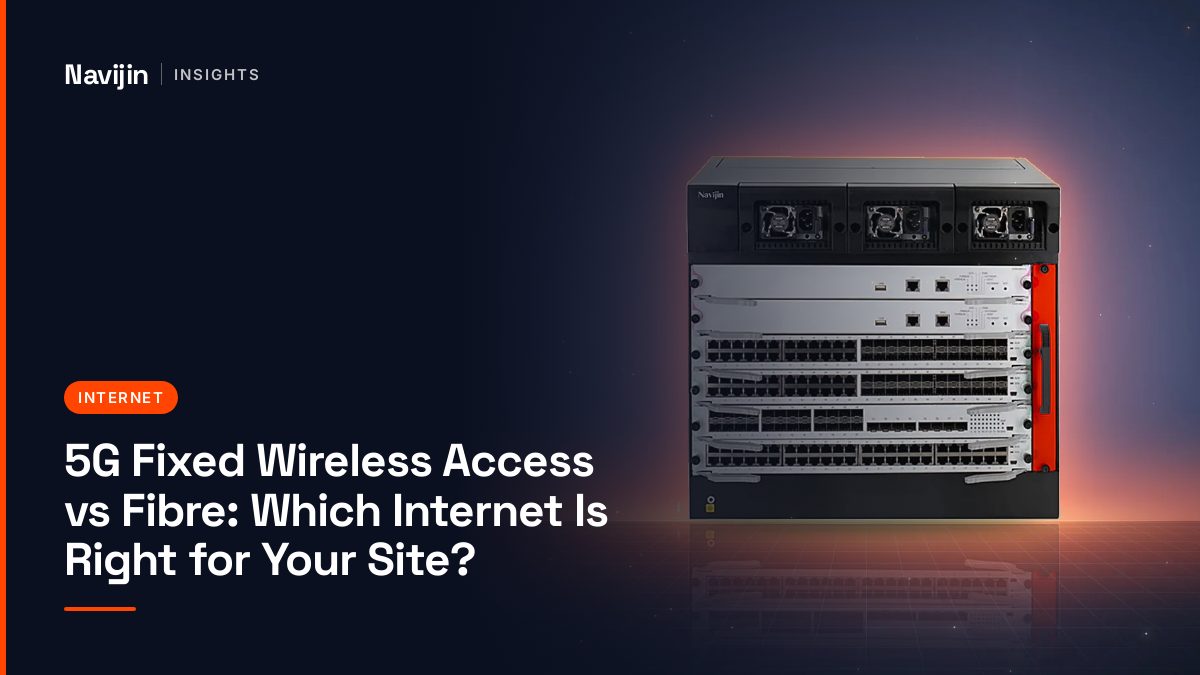
5G Fixed Wireless Access vs Fibre: Which Internet Is Right for Your Site?
5G fixed wireless access and fibre compared for businesses: speed, latency, reliability, installation time and cost, and when to use 5G as the main or backup link.
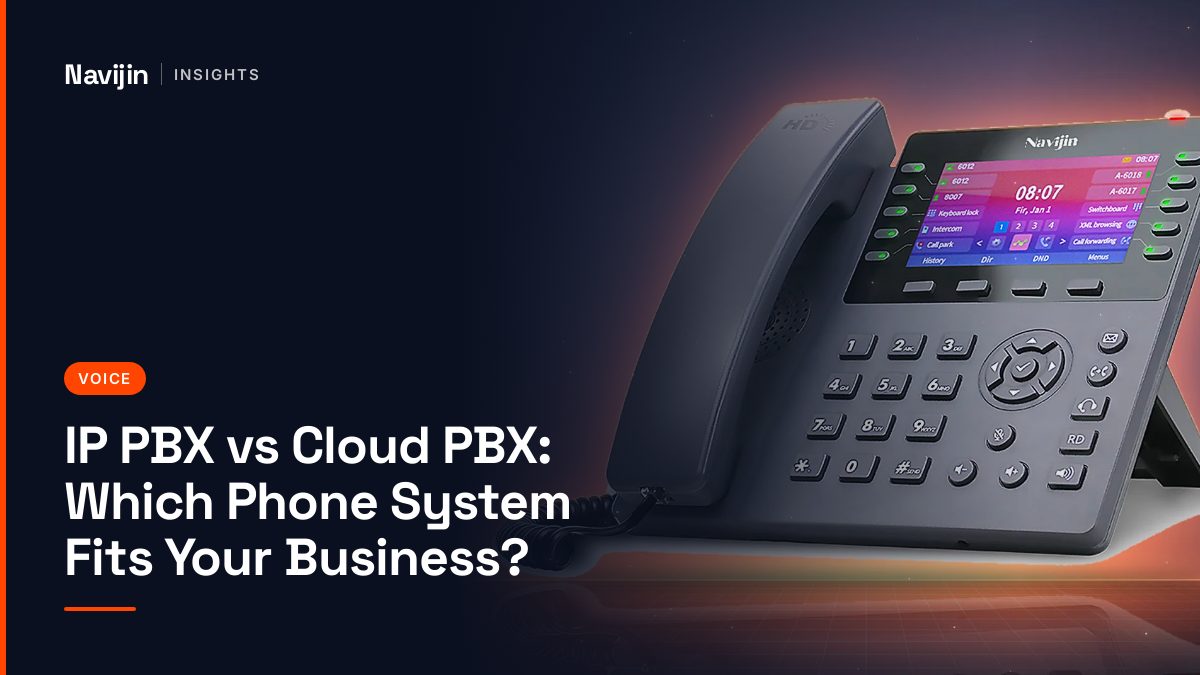
IP PBX vs Cloud PBX: Which Phone System Fits Your Business?
On-premises IP PBX and cloud PBX compared: cost model, control, call quality, internet dependency, features, and which suits hotels, offices and multi-site businesses.
What Is a NOC (Network Operations Center) and How Is It Different From a SOC?
What a network operations center does, the tools and roles involved, how it differs from a security operations center, and how small teams can run NOC practices without a dedicated room.
What Is TR-069 (CWMP)? How Cloud Platforms Manage Routers and Access Points
TR-069 (CWMP) explained: how an auto-configuration server manages gateways, ONUs and access points, what it can do, how it compares with TR-369 USP and SNMP, and how to keep it secure.
Cat5e vs Cat6 vs Cat6A: Which Network Cable Should You Install?
Ethernet cable categories compared: speeds and distances, 2.5G/5G/10G support, PoE heat, shielding, and which cable to install for offices, Wi-Fi 7 access points and cameras.
Online vs Line-Interactive vs Standby UPS: Which Protects Your Network?
The three UPS types compared for network racks, CCTV and outdoor cabinets: how they work, protection level, efficiency, and how to choose capacity and runtime.
Switch Oversubscription: How to Size Uplinks Without Overspending
What oversubscription means, typical ratios for access, distribution and data center switches, how to calculate it, and when to add uplinks or faster ports.
What Is LLDP? How Network Devices Discover Their Neighbours
LLDP explained: how switches, phones, access points and cameras advertise themselves, how LLDP-MED sets voice VLANs and PoE, how it helps documentation, and when to turn it off.
H.264 vs H.265 vs Smart Codecs: Video Compression for CCTV
How H.264, H.265 and smart codecs compare for IP cameras: bitrate and storage savings, image quality, CPU load and compatibility with recorders, browsers and video software.
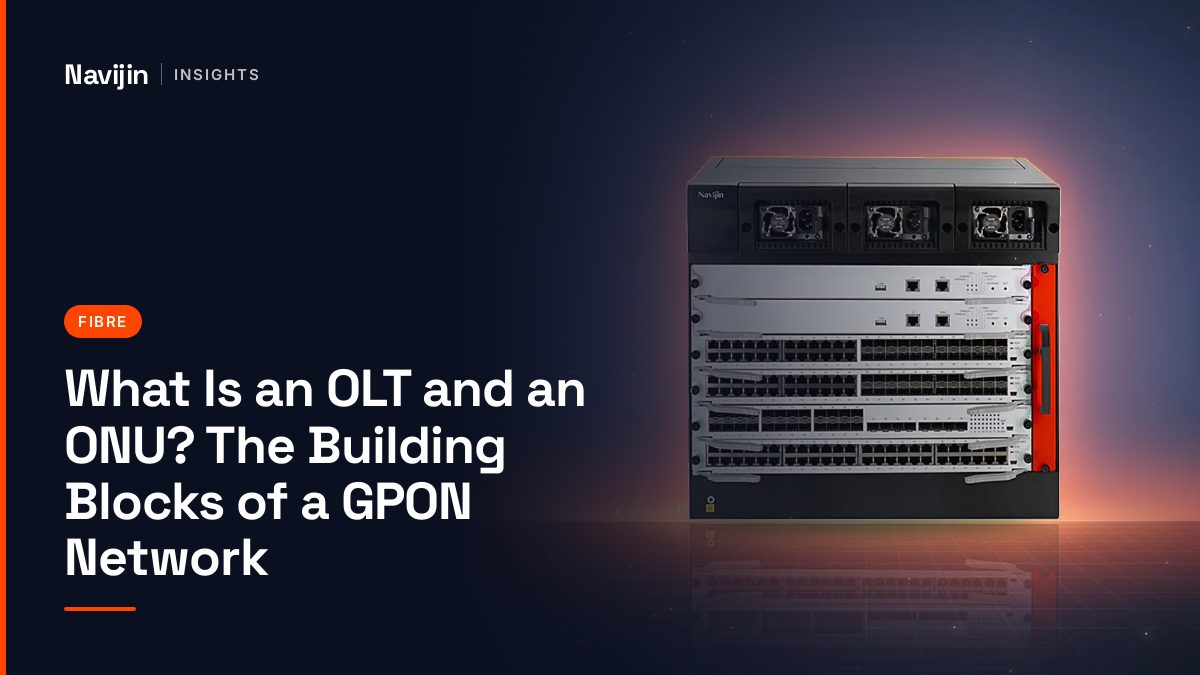
What Is an OLT and an ONU? The Building Blocks of a GPON Network
How OLTs, ONUs/ONTs and passive splitters work together in a GPON or XGS-PON network, what each does, ONU types, and how they are managed.

What Is Network Segmentation and Microsegmentation?
Network segmentation and microsegmentation explained: VLANs, firewall zones and per-workload policies, why they stop ransomware spreading, and how to start.
Single-Mode vs Multimode Fibre: Differences, Distances and Costs
Single-mode and multimode fibre compared: core size, colour codes, distances at 1G to 100G, transceiver costs, and which to choose for buildings, campuses and data centers.
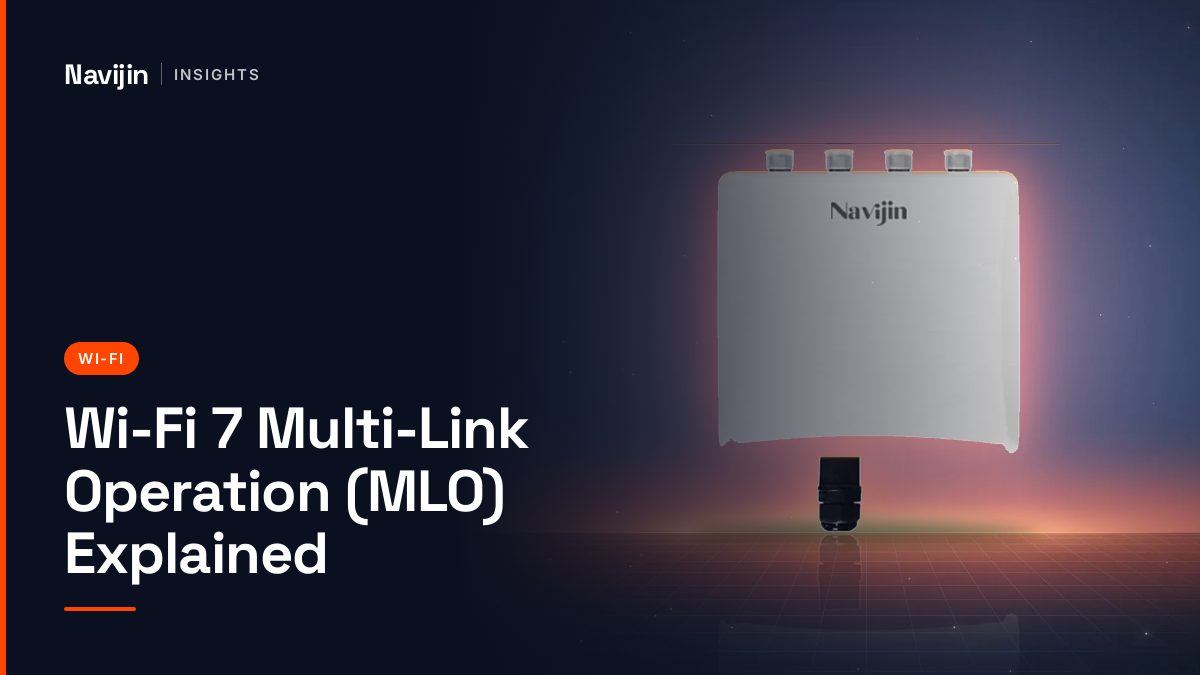
Wi-Fi 7 Multi-Link Operation (MLO) Explained
How Wi-Fi 7 Multi-Link Operation uses 2.4, 5 and 6 GHz at the same time, the MLO modes, what it improves (latency, reliability, throughput) and what you need to use it.
Managed vs Unmanaged Switch: Which One Do You Need?
The difference between unmanaged, smart (web-managed) and fully managed switches, the features that matter (VLANs, PoE control, monitoring, security), and how to choose.

What Is a Captive Portal? How Guest Wi-Fi Sign-In Works
How a captive portal works, sign-in options for hotels, cafés and offices (vouchers, SMS, WhatsApp, forms), privacy rules for guest data, and common problems.
How Many Wi-Fi Access Points Do I Need? A Practical Sizing Guide
Estimate how many Wi-Fi access points an office, hotel, school or warehouse needs, by coverage and by capacity, with rules of thumb, worked examples and when to do a site survey.
What Is a Web Application Firewall (WAF)? How It Differs From a Network Firewall
What a web application firewall does, the attacks it stops (SQL injection, XSS, bots), how it differs from a network firewall, deployment options and how to tune it without blocking real users.
What Is Network Access Control (NAC)? How It Works and Why It Matters
Network access control explained: how NAC decides who and what may join the network, 802.1X and MAC authentication, posture checks, guest access, quarantine VLANs and how to roll it out.
What Is VXLAN and EVPN? A Plain-English Guide for Network Teams
VXLAN and BGP EVPN explained simply: how VXLAN stretches Layer 2 over a routed network, what EVPN adds, VNIs and VTEPs, and when you need them.
Leaf-Spine vs Three-Tier Network Architecture: Which Fits Your Data Center?
How leaf-spine and three-tier (core, aggregation, access) networks differ, why data centers moved to leaf-spine, how to size one, and where three-tier still makes sense.
PoE vs PoE+ vs PoE++: 802.3af, 802.3at and 802.3bt Explained
The difference between PoE, PoE+ and PoE++: power per port, classes, which devices need which standard, cable rules and how to check a switch's PoE budget.
What Is a SOC (Security Operations Center)? Roles, Tools and AI SOC Explained
What is a SOC? How a security operations center works, SOC analyst tiers, core tools (SIEM, EDR/XDR, SOAR), in-house vs managed SOC, what an AI SOC is, and how it differs from SOC 2 compliance.
What Is a RADIUS Server? How RADIUS Authentication Works
What is a RADIUS server and how does RADIUS authentication work? The Access-Request flow, ports 1812/1813, common uses for Wi-Fi, 802.1X and VPN, popular RADIUS servers and how to secure them.
VPN Terms Explained: VPN Tunnel, Concentrator, Passthrough, Kill Switch and VPN Router
Clear answers to common VPN questions: what a VPN tunnel is, what a VPN concentrator does, VPN passthrough, VPN kill switch, VPN routers, split tunnelling and site-to-site vs remote-access VPN.
What Is a Firewall? Types, How It Works and Configuration Basics
What is a firewall and how does it work? Packet-filtering, stateful, proxy and next-generation firewalls (NGFW) explained, network vs host firewalls, and the configuration basics every business should apply.
DVR vs NVR: What Is the Difference and Which CCTV Recorder Should You Buy?
DVR vs NVR explained: how each CCTV recorder works, camera and cable types, image quality, PoE, AI analytics, cost and when to choose each, plus what an NVR is and how many channels you need.
SIEM vs SOAR vs XDR: How They Differ and How They Work Together
SIEM vs SOAR vs XDR explained: what each does, comparison table, how a modern security operations stack combines them, and what a small or mid-size business actually needs.
EDR vs XDR vs MDR vs NDR: What Is the Difference and Which Do You Need?
EDR vs XDR vs MDR vs NDR explained: what each detects, the data it uses, how they relate to SIEM and SOAR, a comparison table and a practical buying order for small and mid-size businesses.
ZTNA vs VPN vs SASE: Which Remote Access Model Fits Your Business?
ZTNA vs VPN vs SASE compared: how each works, security and user experience, cost, and a practical migration path from remote-access VPN to zero trust network access for small and mid-size businesses.

Blast-RADIUS (CVE-2024-3596) Explained: Is Your Network Still Exposed?
Blast-RADIUS (CVE-2024-3596) lets attackers forge RADIUS Access-Accept responses. Learn what is affected, why EAP is safer, and the exact steps to mitigate: Message-Authenticator, server upgrades and RADIUS over TLS.
RADIUS vs TACACS+: Differences, Ports and When to Use Each
RADIUS vs TACACS+ compared: transport and ports, encryption, how they separate authentication, authorization and accounting, command authorization, and which to use for network access and device administration.
What Is AAA in Cybersecurity? Authentication, Authorization and Accounting Explained
AAA stands for authentication, authorization and accounting. Learn how each part works, the IAAA model, access control models (DAC, MAC, RBAC, ABAC), the protocols behind AAA and how to apply it to your network.
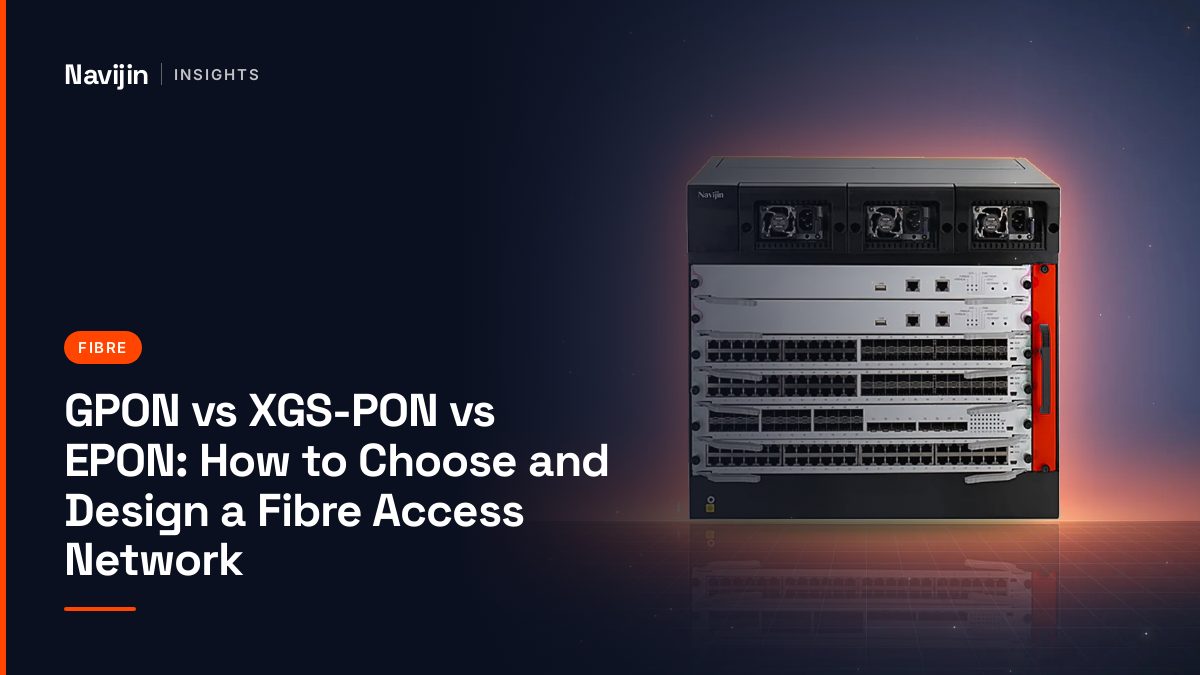
GPON vs XGS-PON vs EPON: How to Choose and Design a Fibre Access Network
A practical guide to passive optical networks: how GPON, XGS-PON and EPON compare, how OLTs, splitters and ONUs work, how to calculate split ratio and optical power budget, and when to use passive optical LAN.
Ring Network Redundancy with ERPS: Keeping Industrial and Campus Networks Online
Learn how ring topologies and ERPS (ITU-T G.8032) protect industrial, utility and campus networks from fibre cuts, with design rules and comparisons with STP/RSTP.
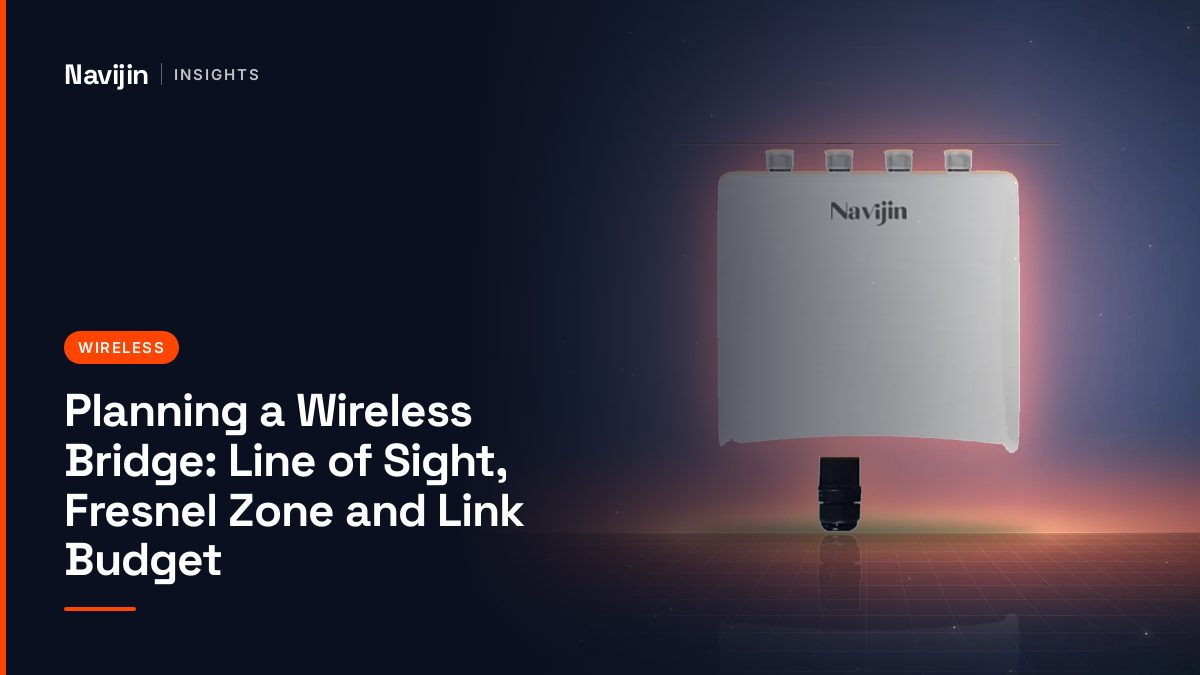
Planning a Wireless Bridge: Line of Sight, Fresnel Zone and Link Budget
Plan a reliable point-to-point wireless bridge: line of sight, Fresnel zone clearance, mounting height, link budget, alignment and common mistakes, with Navijin examples.
Thermal Bi-Spectrum Cameras: How They Work and Where to Use Them
How thermal bi-spectrum cameras combine thermal and visible imaging for temperature monitoring, fire prevention and perimeter security in oil & gas, utilities, ports and warehouses.
High-Density Wi-Fi Design for Conference Halls, Stadiums and Lecture Theatres
How to design Wi-Fi for thousands of users: capacity planning per seat, channel width, AP placement, SSID limits and Wi-Fi 7 tips for conference halls, stadiums and lecture theatres.
Layer 2 vs Layer 3 Switches: Differences and When to Use Each
What is the difference between a Layer 2 and Layer 3 switch? Learn about VLANs, inter-VLAN routing, OSPF, where each switch fits in core, distribution and access layers.
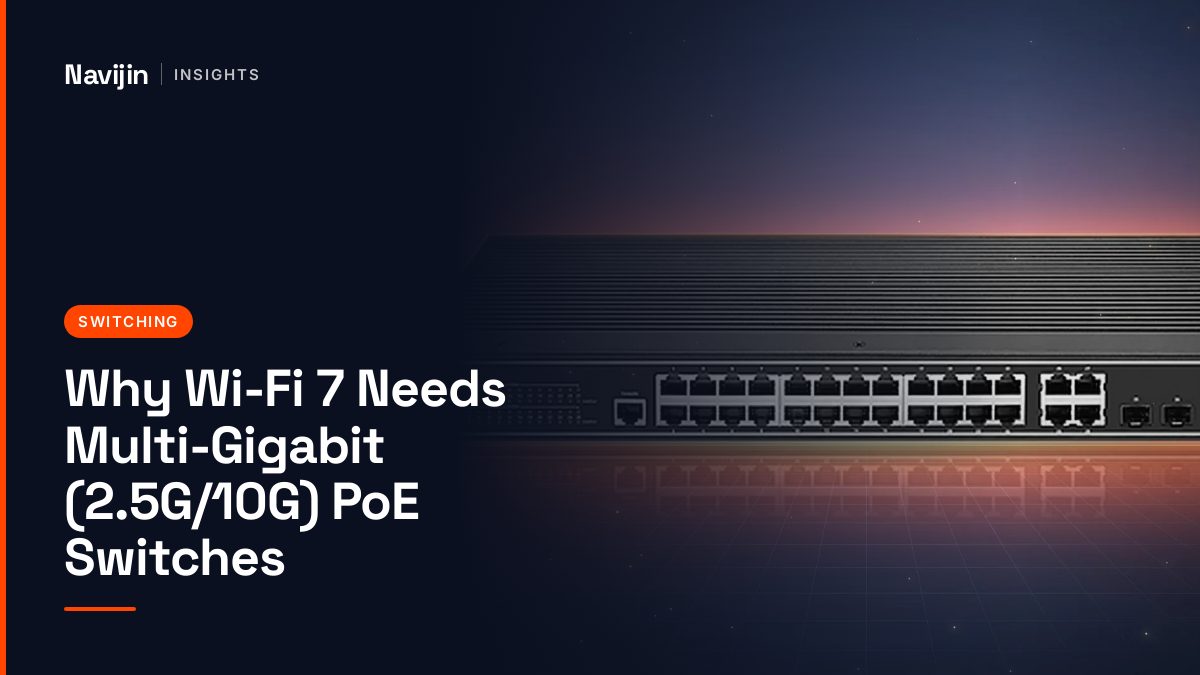
Why Wi-Fi 7 Needs Multi-Gigabit (2.5G/10G) PoE Switches
Wi-Fi 7 access points can exceed 1 Gbps. Learn why multi-gigabit 2.5G/10G PoE switches matter, how to size uplinks and which cabling you need.

How to Calculate a PoE Power Budget (With Worked Examples)
Learn how to calculate the PoE power budget for IP cameras, Wi-Fi access points and phones, avoid night-time camera reboots and choose the right PoE switch and power supply.
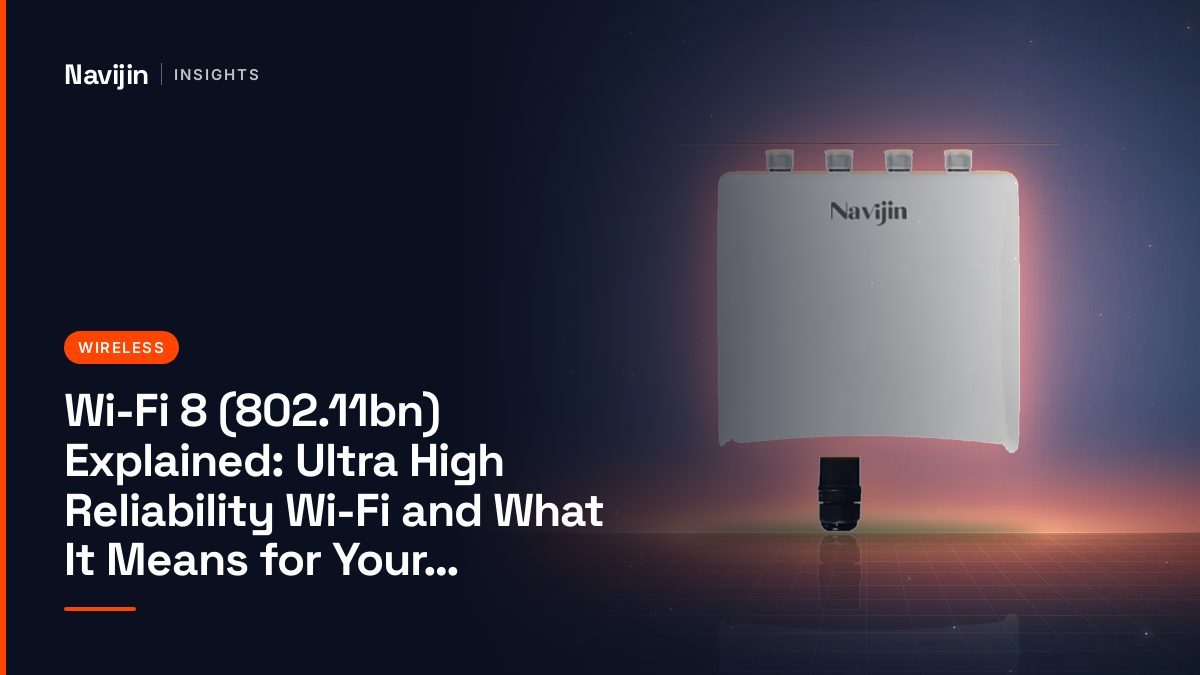
Wi-Fi 8 (802.11bn) Explained: Ultra High Reliability Wi-Fi and What It Means for Your Network
What is Wi-Fi 8? A clear guide to IEEE 802.11bn Ultra High Reliability: multi-AP coordination, seamless roaming, release timeline, Wi-Fi 7 comparison and how to prepare.
All articles
Securing Critical Infrastructure Networks: A Practical Checklist for Energy, Utilities, Transport and Government

Network TCO: Why the Cheapest Switch Is Rarely the Cheapest Network
Hotel Network Design Checklist: Guest Wi-Fi, IPTV, VoIP and CCTV
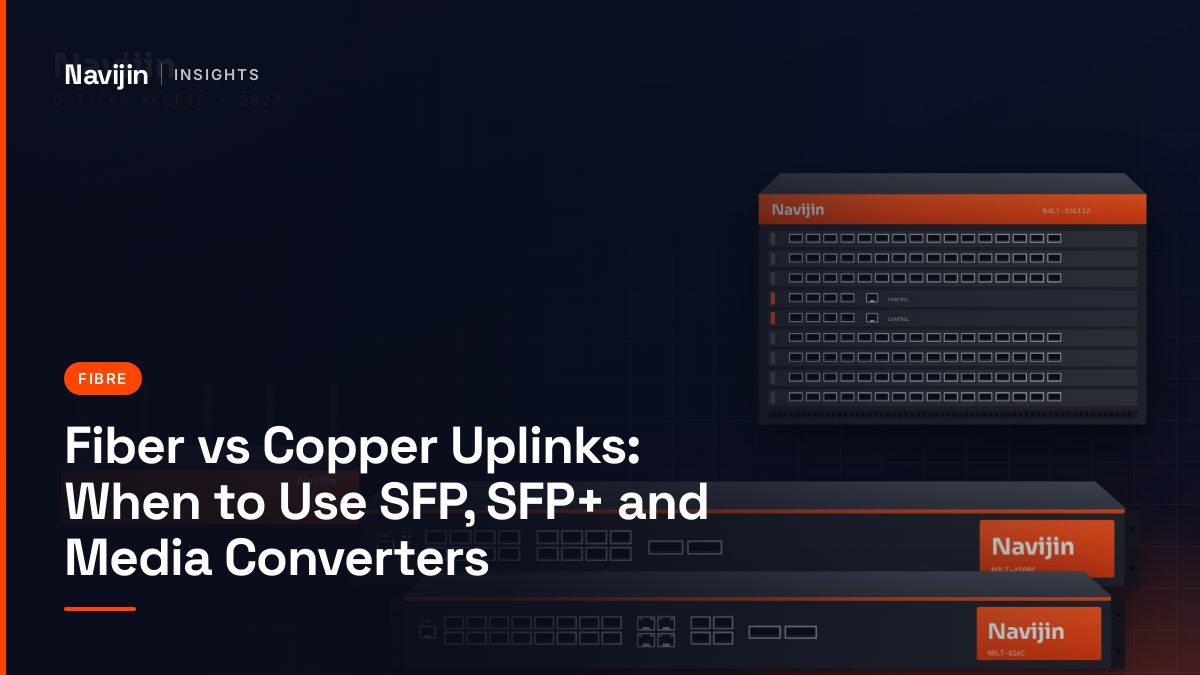
Fiber vs Copper Uplinks: When to Use SFP, SFP+ and Media Converters
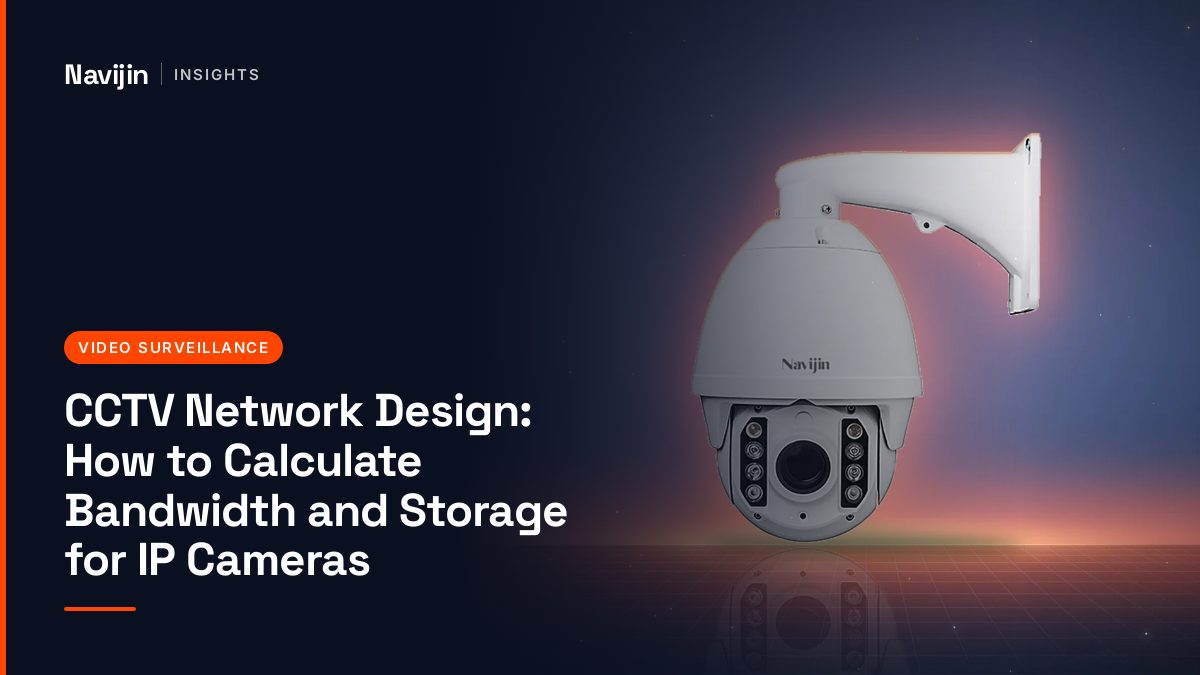
CCTV Network Design: How to Calculate Bandwidth and Storage for IP Cameras
Enterprise Network RFP Checklist: 40 Questions to Ask Any Networking Vendor

Market Guide 2026: How to Choose a Networking Supplier in the Middle East, Africa and CIS
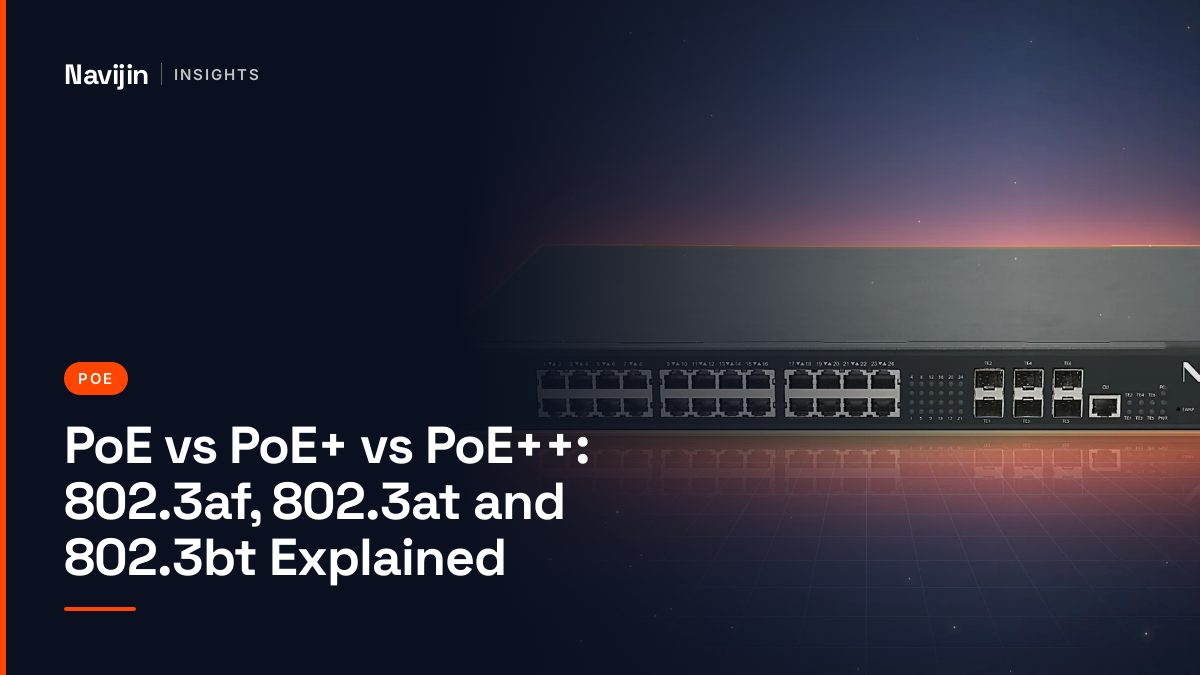
PoE vs PoE+ vs PoE++: 802.3af, 802.3at and 802.3bt Explained