Networks are now critical infrastructure
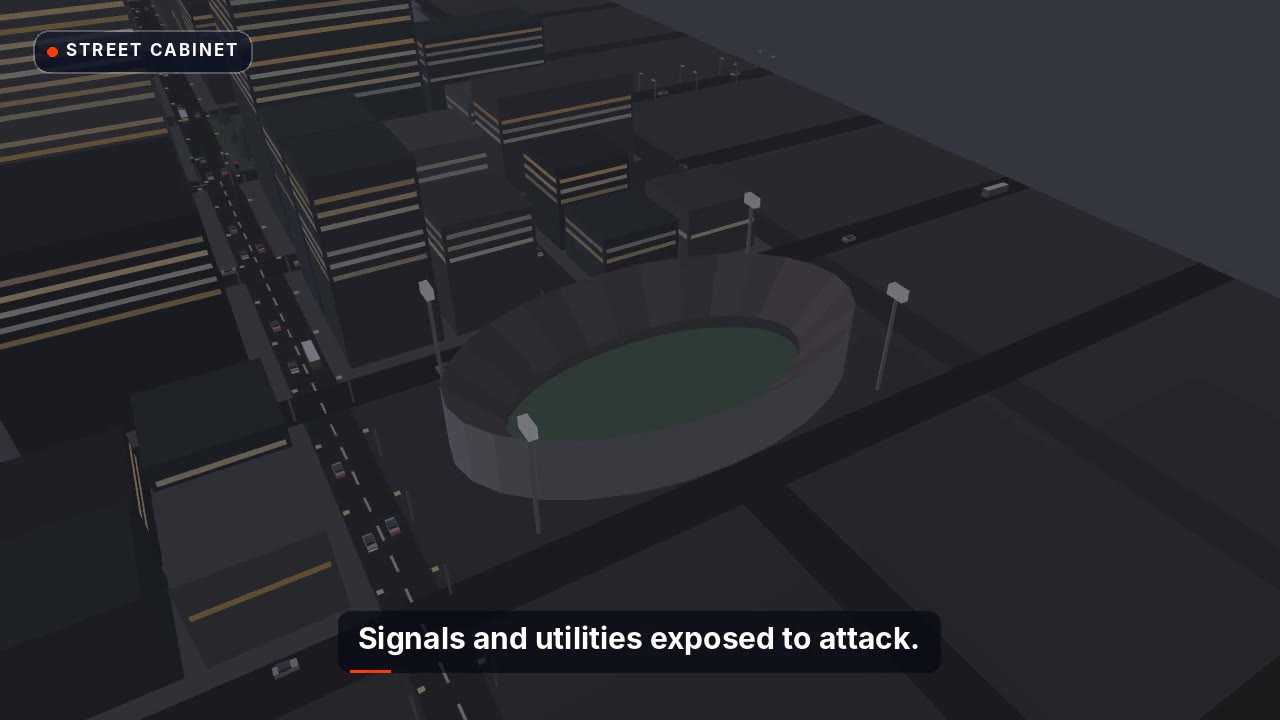
Traffic lights, water pumps, hospital monitors, airport baggage systems and payment terminals all depend on the network. When it fails, the impact is felt on the street, not only in the server room.
Design for failure
Resilient networks assume something will break. Redundant power, dual uplinks, ring topologies with fast recovery, backup cellular links and spare parts on site turn a failure into a non-event.
Design for attack
Segmentation between operational technology, CCTV, corporate IT and guest networks limits how far an intruder can move. Firewalls and intrusion prevention at every zone boundary, strong authentication and fast patching close the most common doors.
Design for people
The best networks are simple to operate. Clear documentation, central monitoring and alarms, and trained local partners mean problems are found and fixed quickly.
Navijin's role
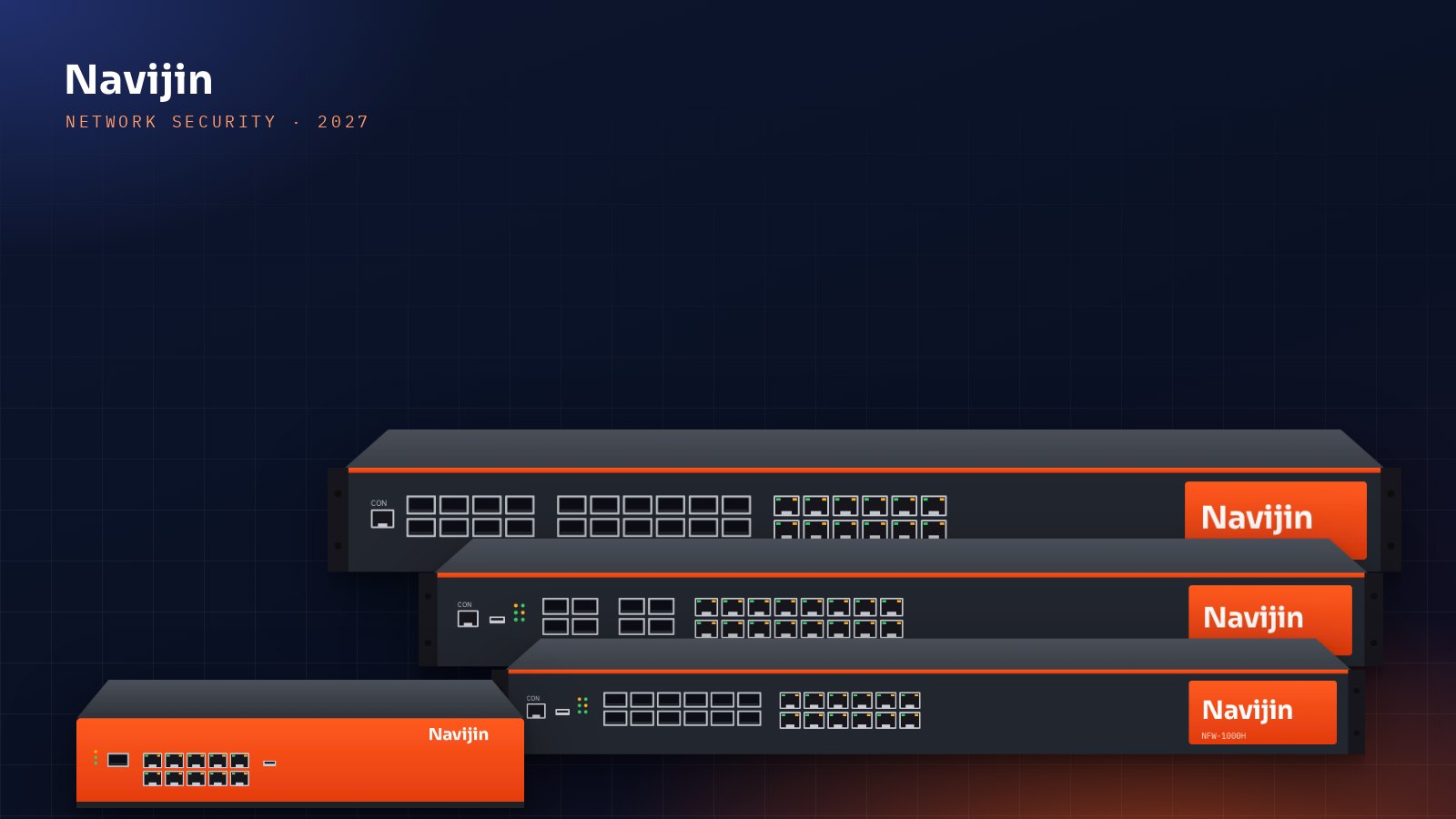
Navijin builds industrial switches, redundant core platforms, surveillance and, from 2027, network security and fibre access, so partners can design networks that keep essential services running.