From pilots to platforms
Many cities have run smart pilots: a few connected lights, some traffic cameras, a public Wi-Fi zone. The next step is a city-wide platform where every new service plugs into the same secure, resilient network.
Fibre at the core, wireless at the edge
Fibre rings connect districts and data centers. Industrial switches in street cabinets power cameras and sensors. Wi-Fi, private wireless links and cellular backhaul reach places cables cannot.
Video becomes data
Cameras increasingly detect incidents, count traffic and help manage crowds. That requires bandwidth, storage planning and strict privacy and security controls.
Security from day one
A city network is a target. Segmentation, firewalls, strong identity for devices and administrators, and continuous monitoring must be part of the design, not added later.
Navijin in the smart city
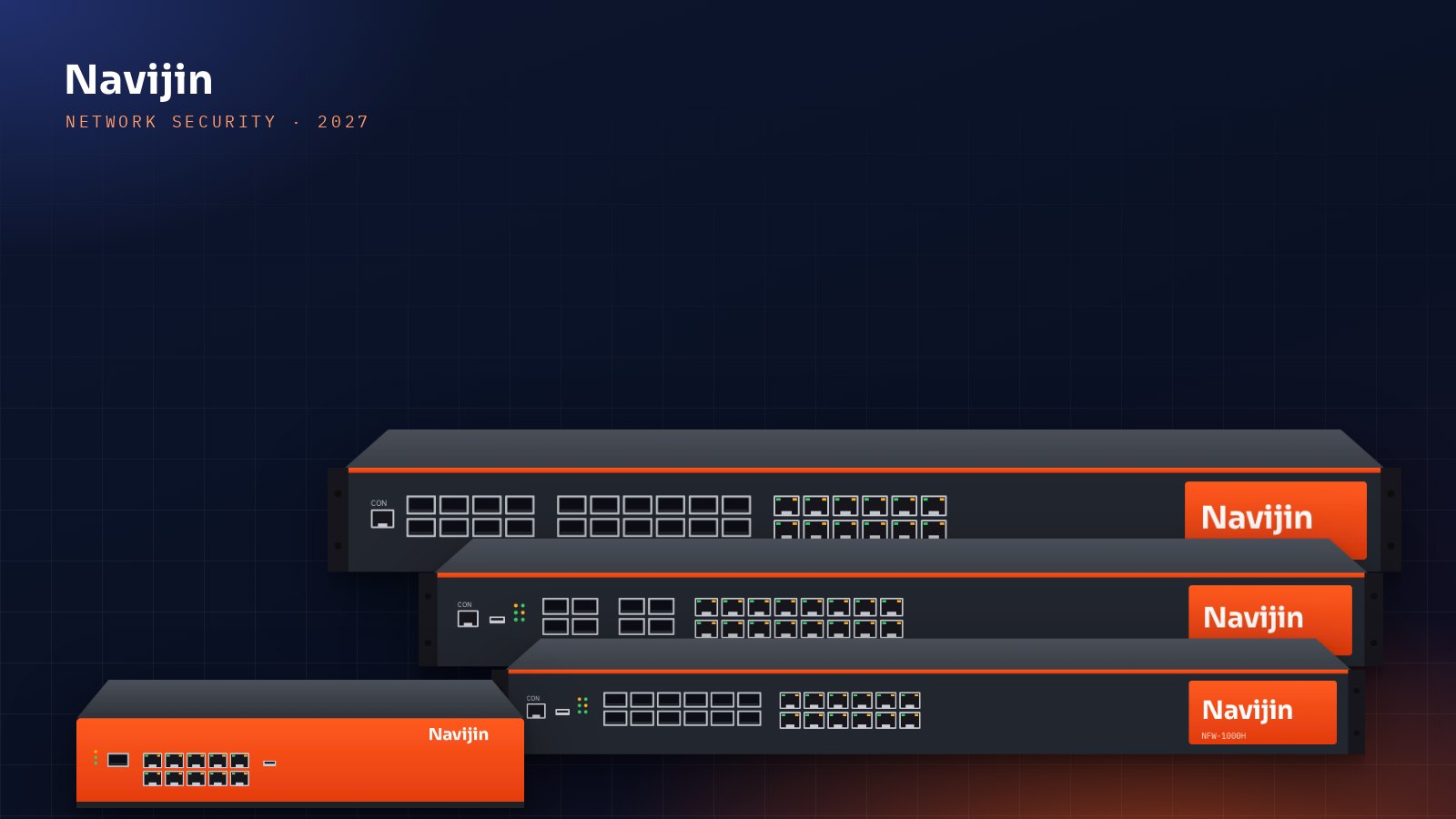
Navijin industrial switches, surveillance, wireless bridges, Wi-Fi and, from 2027, fibre access and network security give city integrators the building blocks for this vision.